Families Facing a New Diagnosis of Parkinson’s Disease
Receiving a new a diagnosis of Parkinson’s disease (PD) can feel overwhelming for families. Parkinson’s is a progressive neurodegenerative disorder that affects movement, leading to difficulties with walking, balance, and coordination. Progressive disease = symptoms can get worse over time. The Parkinson’s Foundation shares that approximately 60,000 people in the U.S. are diagnosed with Parkinson’s each year. While Parkinson’s itself isn’t considered a fatal disease, it can significantly reduce quality of life and, in advanced stages, contribute to other serious health complications.
As a family member or caregiver, you might be unsure of how to best support your loved one. Here are six common challenges families face after a Parkinson’s diagnosis and helpful tips to guide you along the way.
1) EMotional and Psychological Impact
A new diagnosis of Parkinson’s disease can bring a flood of emotions. It’s natural to feel worried, anxious, or even sad. Your loved one may feel frightened or upset about the changes they’re experiencing. Research shows that people with Parkinson’s disease often experience depression and anxiety, and it’s not unusual for family members to feel the weight of these emotions as well.
Nurse Tip – It’s important for everyone to talk about their feelings and seek support early. Consider joining a support group where you can connect with others who are going through similar experiences. If needed, a counselor or therapist can help manage difficult emotions. The more informed and supported you are, the better you can manage the emotional challenges together.
2) Understanding the complex symptoms
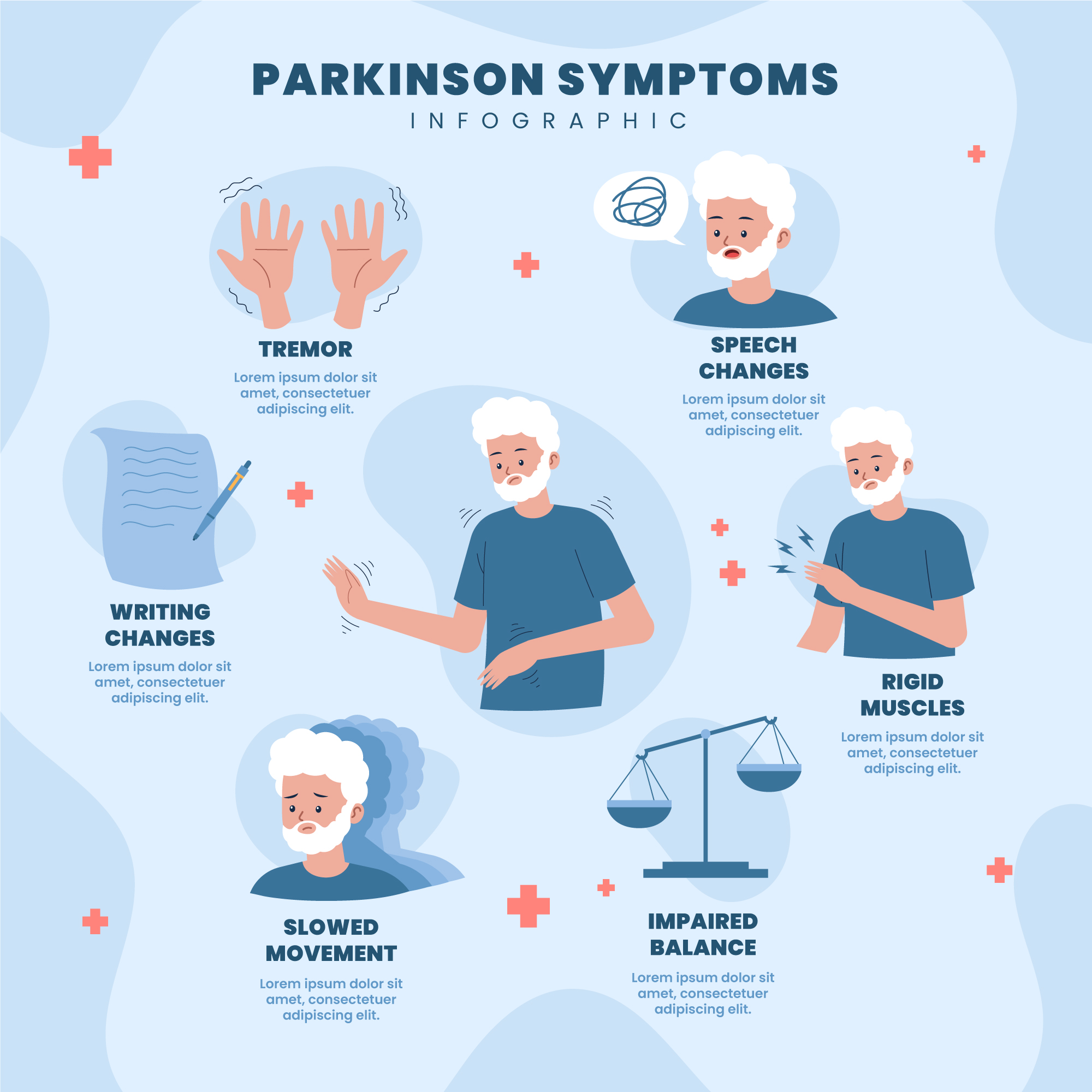
Parkinson’s disease can cause a variety of symptoms, some of which might be hard to notice at first. These may include tremors (shaking), stiffness, slow movement, or changes in balance. In addition to these, some people with Parkinson’s experience sleep problems, changes in mood, or difficulty thinking clearly. These “non-motor” symptoms can be just as challenging to manage.
Nurse Tip – Learn as much as you can about Parkinson’s and its symptoms. Keeping a record of your loved one’s symptoms can help healthcare providers make better decisions and form an individualized care plan. Working with professionals who specialize in Parkinson’s care can ensure appropriate medical interventions are implemented as the disease progresses.
3) Managing daily acTIVITIES and indepENDENce
As the disease progresses, your loved one might need help with everyday tasks like dressing, eating, or walking. Parkinson’s can make these activities harder, and it may be painful or frustrating to watch your loved one struggle. This can also be a challenge for family members who feel torn between wanting to help and respecting their loved one’s independence.
Nurse Tip – Families can assist by modifying the living environment to make it more accessible, such as installing grab bars, removing tripping hazards, using assistive devices for eating, there is even easier clothing! Occupational therapy (OT) can also help patients retain as much independence as possible by teaching new techniques for performing everyday task. Sometimes, even small changes can make a big difference in maintaining independence.
4) Caregiver stress and burnout
Taking care of a loved one with Parkinson’s can be very demanding. You might feel tired, overwhelmed, or unsure about how to provide the best care. According to the National Parkinson Foundation, 50-70% of caregivers experience significant stress due to their responsibilities. Caregivers often find themselves balancing the emotional weight of the diagnosis with the practical challenges of managing medical appointments, medications, and daily care.
Nurse Tip – Remember, you don’t have to do this alone. Building a support network of family, friends, and professional caregivers is crucial. Respite care services can step in to give you a break when you need it. Consider a “Friendly Visit Calendar” with your network. This can help to prevent isolation of your loved one with Parkinson’s and few hours of free time for the caregiver. Taking care of yourself ensures that you can continue to take good care of your loved one.
5) Managing Medications and Treatments
There are over 100 medications available that help manage the symptoms of Parkinson’s disease. However, finding the right medication and dosage can be a complicated and ongoing process. Some medications might cause undesirable side effects, or your loved one may need different treatments as their symptoms change.
Nurse Tip – Families should work closely with healthcare providers to monitor medication effectiveness and side effects. Note, it may take time to see a significant change. Regular follow-ups with a neurologist are essential for adjusting treatment plans. Additionally, incorporating a multidisciplinary team—such as physical therapists, speech therapists, and dietitians—can help manage symptoms and improve quality of life.
6) Financial and Legal Planning
Parkinson’s disease may come with unexpected costs. According to the Parkinson’s Foundation, the direct and indirect costs of Parkinson’s in the U.S. are estimated at $52 billion annually. Treatments, medications, therapy sessions, and hired caregivers can add up over time. Therefore, families need to think about long-term planning for finances, as well as legal matters like setting up power of attorney or writing a living will.
Nurse Tip – It’s important to plan ahead. Consulting a financial advisor or a lawyer who understands the needs of those with chronic illness can help you make decisions about long-term care and finances. Some insurance plans, government programs, disability benefits or community resources may be available to help with costs, so be sure to explore these options early on.

final thoughts
A new diagnosis of Parkinson’s disease can change life for everyone in the family, but with the right knowledge, support, and planning, it is possible to navigate these challenges together. The key is to stay informed, reach out for help when needed, and remember that both emotional and practical support are equally important. Your love and care can make a big difference in your loved one’s complex journey with Parkinson’s.
For more information and resources, you can reach out to organizations like the Parkinson’s Foundation or the Michael J. Fox Foundation. These groups offer guidance, support, and a community of people who understand the challenges Parkinson’s disease can bring.



Join the List
Stay up to date & receive the latest posts in your inbox.